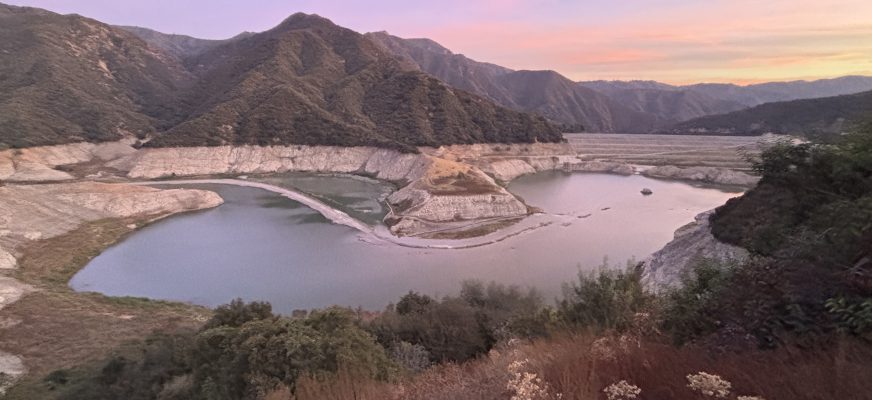
Big Tujunga Wash Mitigation Area
Chambers Group prepared and implemented the Master Mitigation Plan (MMP) for this long-term project.
- Brown-headed cowbird trapping
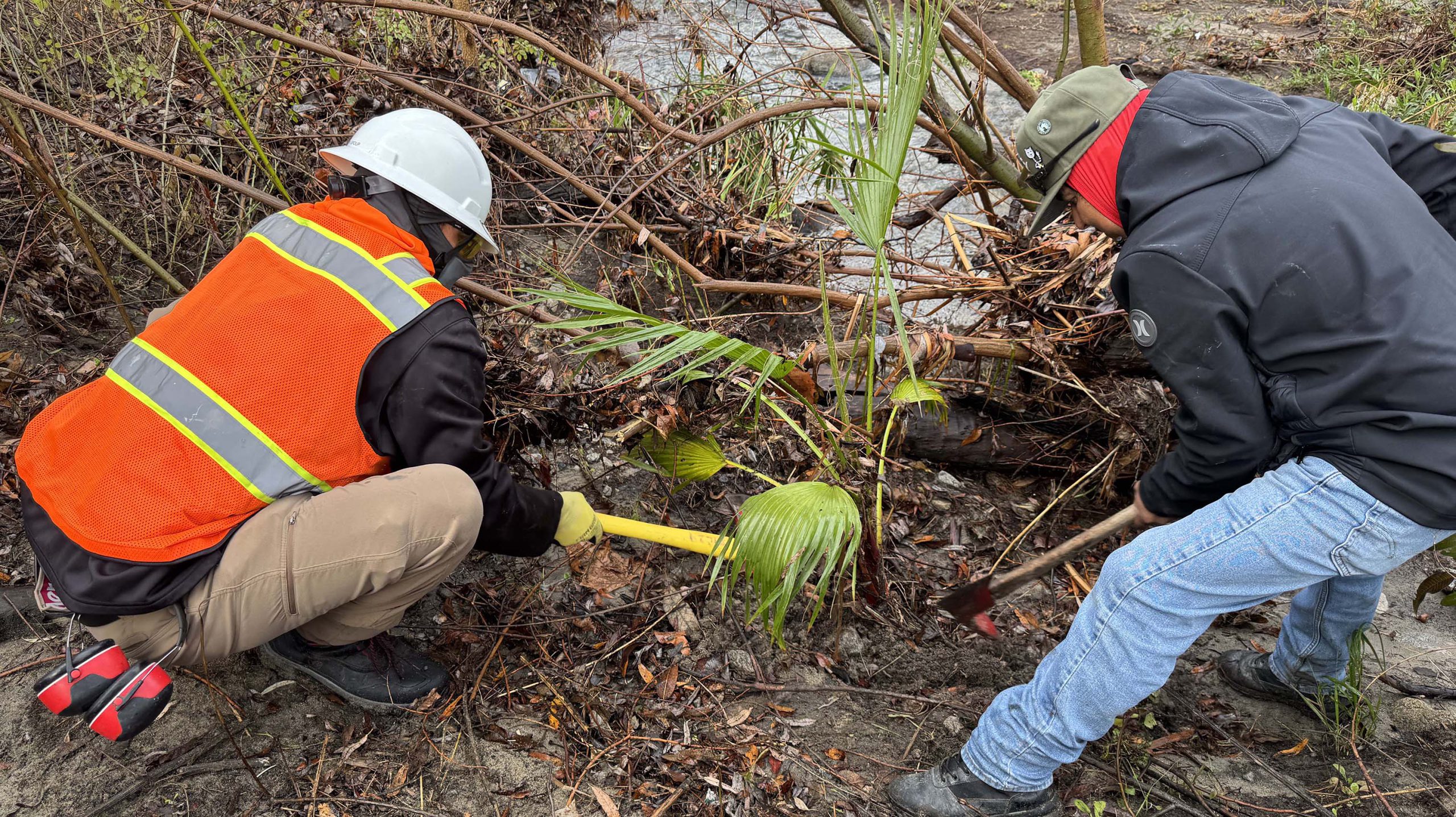
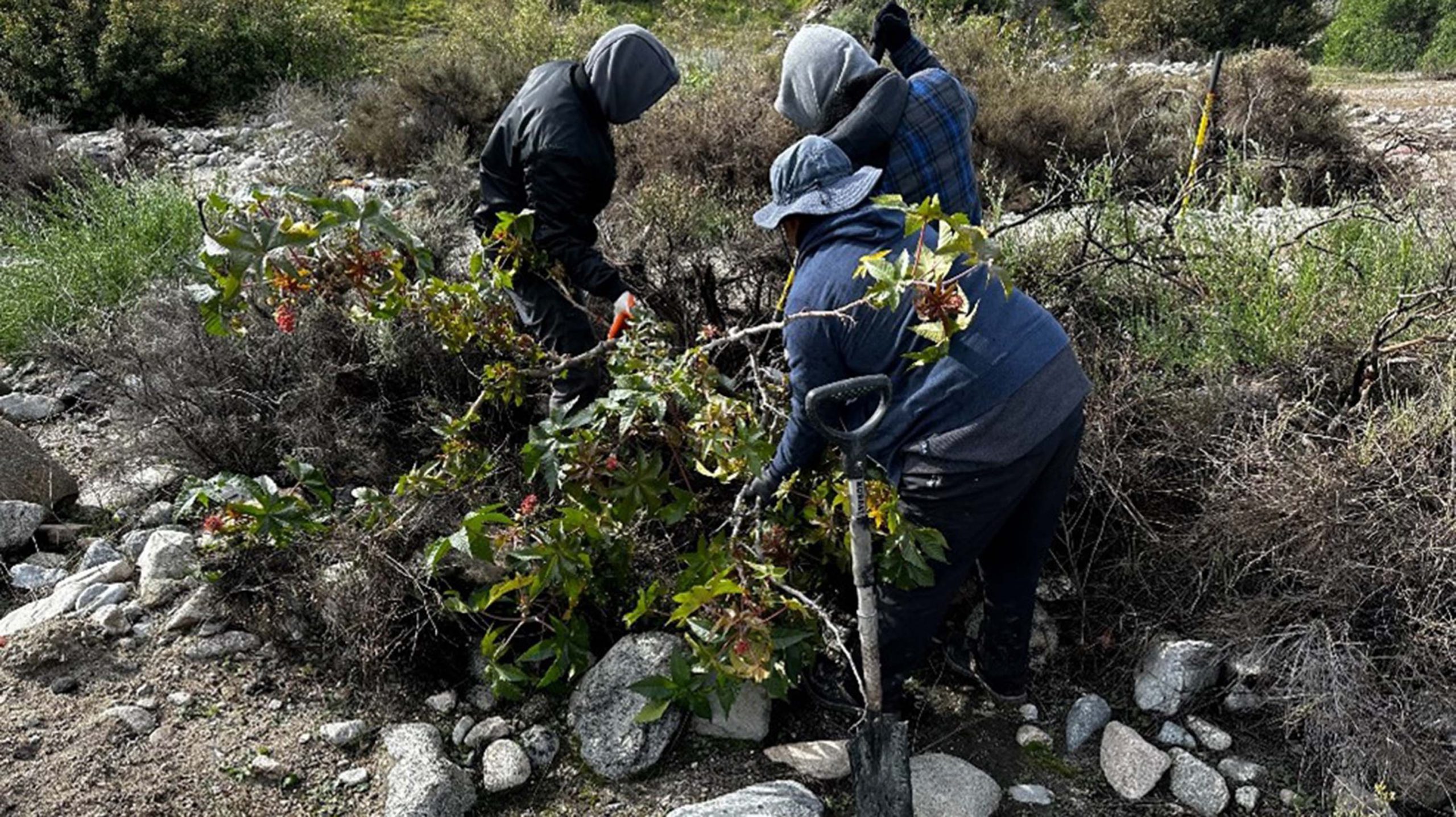
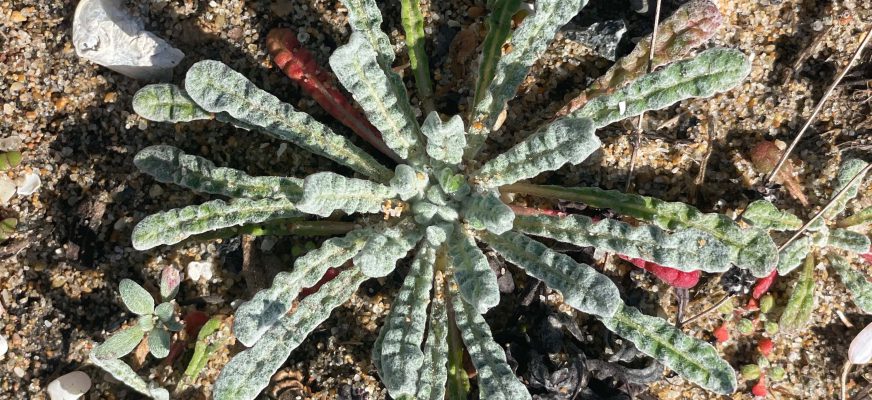
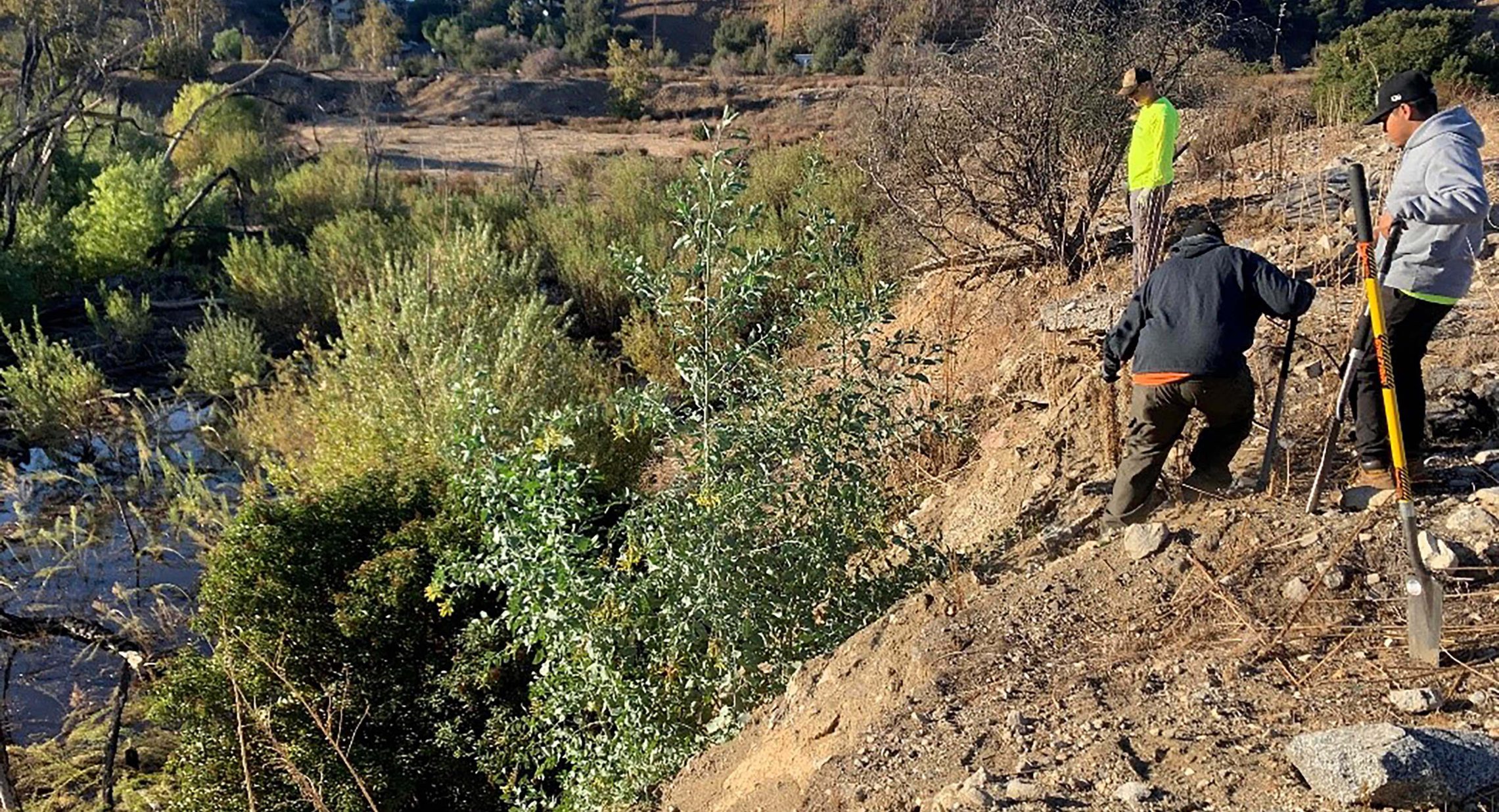
- Exotic Plant Eradication and Maintenance Program
- Water Lettuce Control Program
- Exotic Wildlife Removal Program
- Trails Monitoring Program
- Annual Water Quality Monitoring
- Master Mitigation Plan
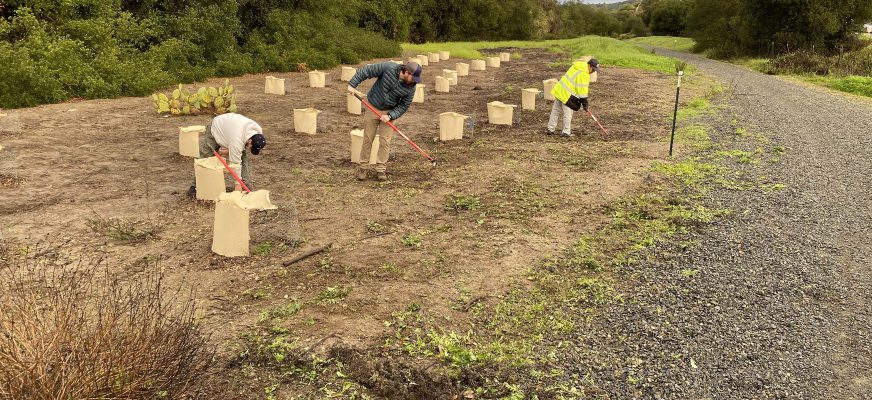
Chambers Group has worked in various biological, cultural, and permitting capacities for the Big Tujunga Wash Mitigation Bank Area since 1997. We began with the preparation of the original Master Mitigation Plan (MMP) that laid the framework for restoration and preservation of more than 200 acres of upland and riparian scrub habitat.
- Various environmental consulting and monitoring tasks include
- Exotic plant (e.g., arundo, tamarisk, and water hyacinth)
- Wildlife removal (brown-headed cowbird)
- Pre-maintenance nesting bird surveys (i.e., least Bell’s vireos [LBVI] and southwestern willow flycatcher [SWFL])
- Post-fire vegetation mapping
- Focused wildlife surveys (i.e., arroyo toad)
- Water quality monitoring
- Annual functional analysis monitoring and reporting
- Trails monitoring and clean up
- Public outreach
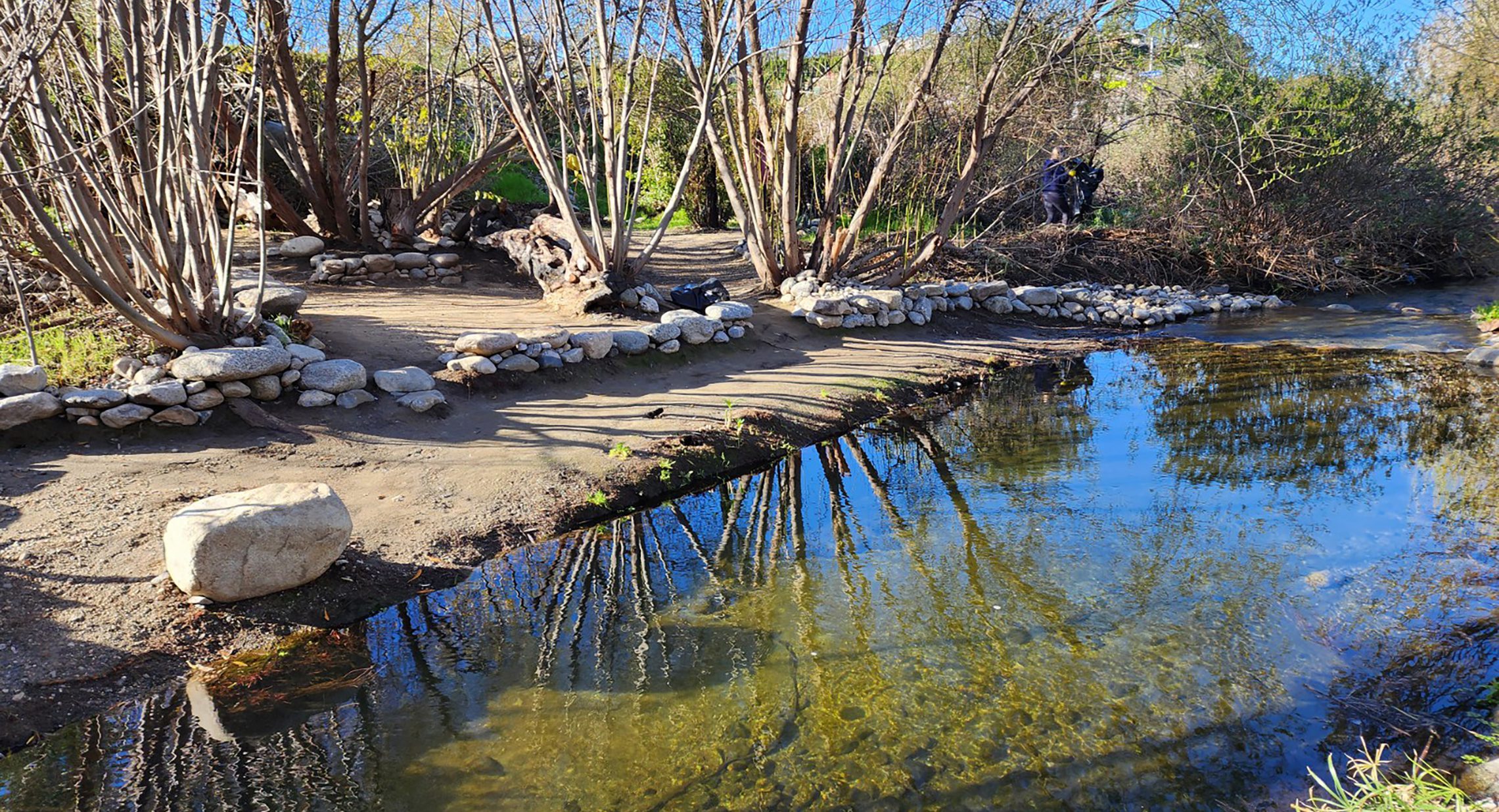
Additional maintenance activities include the realignment of approximately 1,580 feet of trails, which eliminated three stream crossings to help reduce potential disturbance and negative impacts to listed and special status species in and around Haines Canyon Creek. Chambers Group regularly searches for unauthorized trails and blocks them off with vertical mulch as encountered. Chambers Group documents and reports unauthorized activities, such as vandalism, illegal camping, fishing, swimming, and camping. To control costs, field leads carefully monitor the progress of the maintenance activities in comparison with the proposed schedule and attended weekly meetings with the PM to discuss project details, remaining budget, schedule, and progress.